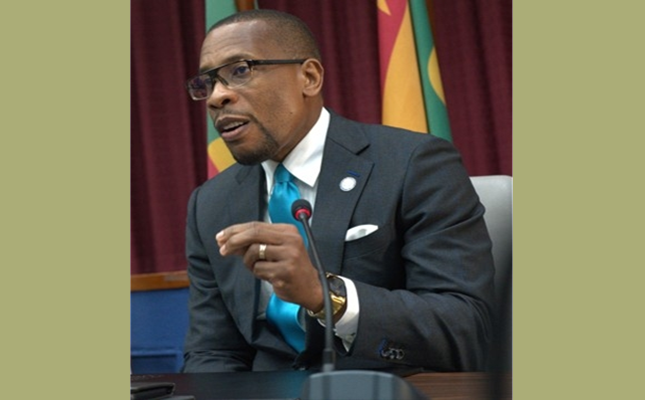
BASSETERRE, St. Kitts — AMID ongoing complaints about how customers are treated by financial institutions across the Eastern Caribbean Currency Union (ECCU), the Eastern Caribbean Central Bank (ECCB) says its current authority limits what action it can take.
Governor Timothy Antoine confirmed that while concerns about fees, charges and customer treatment continue to surface, the Bank does not yet have the legal power to regulate those areas.
Speaking to journalists following the 112th Monetary Council Meeting at the Bank’s St. Kitts and Nevis campus, Antoine explained that the ECCB “has no powers in law to regulate fees, charges, or even market conduct.”
That, however, is expected to change.
The Governor revealed that amendments to the Banking Act are being advanced across the Currency Union to give the Central Bank greater authority. The legislation has already been passed in St. Kitts and Nevis, Antigua and Barbuda, and St. Vincent and the Grenadines, with Montserrat expected to complete the process shortly.
Antoine said he is optimistic that all member territories will have the amendments in place by the end of the first half of the year.
Once enacted, the changes will allow the ECCB to formally establish an Office of Financial Conduct, which is slated to launch later this year. The new office will be tasked with reviewing and investigating complaints against financial institutions and overseeing issues related to market conduct and financial inclusion.
“That will allow the Central Bank the powers to launch this office and to more diligently, and with legal authority, give attention to this issue of market conduct and financial inclusion,” Antoine stated.
The Governor also addressed the Bank’s First Step Savings Account initiative, designed to make banking more accessible to residents across the Union.
One of the major barriers, he noted, has been the difficulty of opening an account.
“It is too difficult,” Antoine said. “And we have taken a step through the launch of a First Step account — a basic bank account — last year.”
Under the initiative, individuals can open an account with a single piece of identification. The accounts require no minimum balance, earn interest, and come with basic features. There are limits on transactions and balances, after which customers can transition to a standard account.
As the programme continues to roll out across the region, Antoine urged the media to monitor how financial institutions are implementing the First Step account and whether it is truly improving access for customers.