WASHINGTON, DC – THE ongoing exchange of strikes between the United States, Israel and Iran is raising fresh concerns about the stability of the global economy, with both advanced and import-dependent economies bracing for potential fallout.
The International Monetary Fund (IMF) is adopting a cautious outlook, warning that the conflict is already pushing up energy and food prices while disrupting critical global supply chains.
According to the Fund, one of the most immediate concerns is the closure of the Strait of Hormuz, a key maritime space responsible for roughly 20 percent of the world’s oil and liquefied natural gas shipments. The disruption, coupled with reported strikes on energy infrastructure in the Gulf, has further strained oil and gas production.
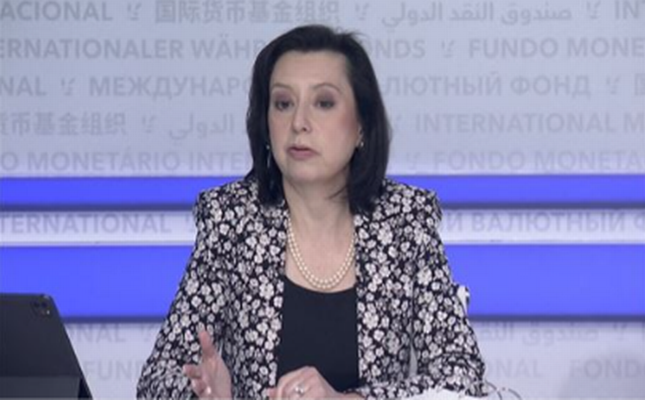
Speaking at a press briefing on Thursday (Mar. 19), IMF Director of Communications Julie Kozack said the institution is closely monitoring three main channels through which the conflict could impact the global economy: commodity prices, inflation, and financial conditions.
On commodity prices, Kozack noted that the scale of the impact will depend largely on how long the Strait of Hormuz remains closed and the extent of damage to energy facilities across the region.
“Oil and gas prices, as you know, have increased by more than 50 percent over the last month to over $100 a barrel,” she said, adding that disruptions to fertilizer shipments and transportation could also drive food prices higher. The magnitude of the effects will depend on the "duration and intensity" of the situation, as well as country-specific circumstances.
The IMF also warned that sustained increases in energy costs could fuel broader inflationary pressures.
“I think what we, and I think Central banks are also going to be keeping a careful eye on, is whether there are what we would call second round effects on broader inflation, and also very importantly, whether there would be effects on inflation expectations," Kozack explained.
Drawing on past energy shocks, the IMF noted that a sustained 10 percent increase in oil prices could raise global headline inflation by about 0.4 percentage points, while reducing global output by between 0.1 and 0.2 percent.
Financial markets are already reacting to the uncertainty. Kozack pointed to declining global stock prices, rising bond yields, and increased volatility across both advanced and emerging markets. The U.S. dollar has strengthened, while several emerging market currencies have weakened.
"The overall impact, of course, is going to depend very much on the duration and intensity of the conflict," she added.
While the full extent of the economic fallout remains unclear, the IMF stressed that much will depend on how long the conflict persists and how severe it becomes.
The Fund is expected to provide a more comprehensive assessment in its updated World Economic Outlook, scheduled for release during its Spring Meetings in April.