BASSETERRE, St. Kitts – The United Nations has welcomed a fragile two-week ceasefire involving the United States, Israel and Iran, but renewed Israeli strikes on Lebanon risk undermining any progress toward stability in the Middle East.
UN Secretary-General António Guterres said the pause in hostilities offers a critical opportunity to move toward a broader and more lasting peace, urging all parties to honour their commitments under international law. He stressed that ending hostilities remains essential to protecting civilian lives and easing the growing humanitarian crisis.
Guterres also expressed appreciation to Pakistan and other countries that helped facilitate the ceasefire, while noting that his Personal Envoy, Jean Arnault, is currently in the region supporting diplomatic efforts. Reports indicate that U.S. Vice President JD Vance is expected to lead a delegation to Pakistan for further negotiations in the coming days.
Despite these diplomatic efforts, the UN has strongly condemned Israeli strikes across Lebanon that have resulted in civilian casualties. Officials warned that continued violence threatens to derail the fragile truce and deepen the humanitarian toll.
The organization is calling on all sides to immediately cease hostilities and recommit to the full implementation of UN Security Council Resolution 1701, which was designed to bring long-term stability to southern Lebanon.
“There is no military solution to this conflict,” the UN reiterated, emphasizing that dialogue remains the only viable path forward.
Meanwhile, UN peacekeeping operations in Lebanon continue to face significant risks. Six peacekeepers were injured following an exchange of rocket and artillery fire near At Tiri in southern Lebanon, with damage also reported to UN vehicles.
In a separate incident, the Israel Defense Forces detained a peacekeeper from the United Nations Interim Force in Lebanon (UNIFIL) after blocking a logistics convoy. The individual was released within an hour following intervention by UN officials. The UN described the detention as a violation of international law and called for an end to any interference with its operations.
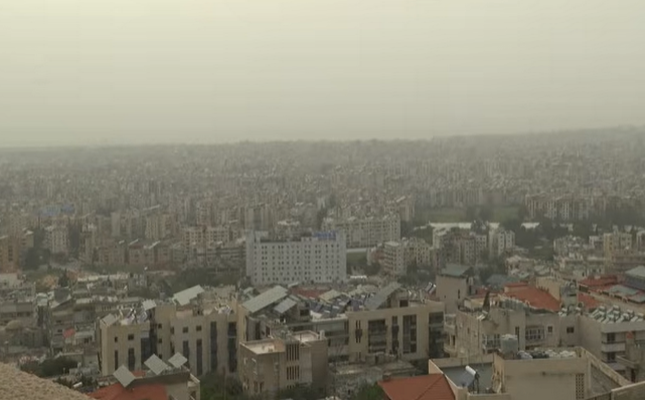
On the humanitarian front, conditions in Lebanon are deteriorating rapidly. Ongoing displacement—particularly in areas south of the Zahrani River and in Beirut’s southern suburbs—has driven up the need for urgent assistance.
The UN Refugee Agency, in coordination with the Lebanese government and partners, is providing shelter and essential supplies to those fleeing violence. However, overcrowded shelters and limited sanitation have led to outbreaks of scabies and lice, posing increased risks to vulnerable populations such as children and the elderly.
Health teams have been deployed, and aid agencies are working to provide clean water and medical supplies. Still, relief efforts remain under severe strain, with less than one-third of the $308 million Lebanon Flash Appeal funded.
The UN warns that without increased support and a sustained halt in fighting, both humanitarian conditions and prospects for peace could continue to deteriorate.