ST. JOHN’S, Antigua and Barbuda – A recent move by Dutch travel company Booking.com has raised concerns within the regional tourism sector and could eventually prompt governments to consider legislative action to protect industry revenues.
Hoteliers and tourism stakeholders across the Caribbean are pushing back against a policy change communicated by the company in recent days. The move would see Booking.com charging commissions not only on room rates and related fees, but also on Value Added Tax (VAT) and other government-imposed taxes.
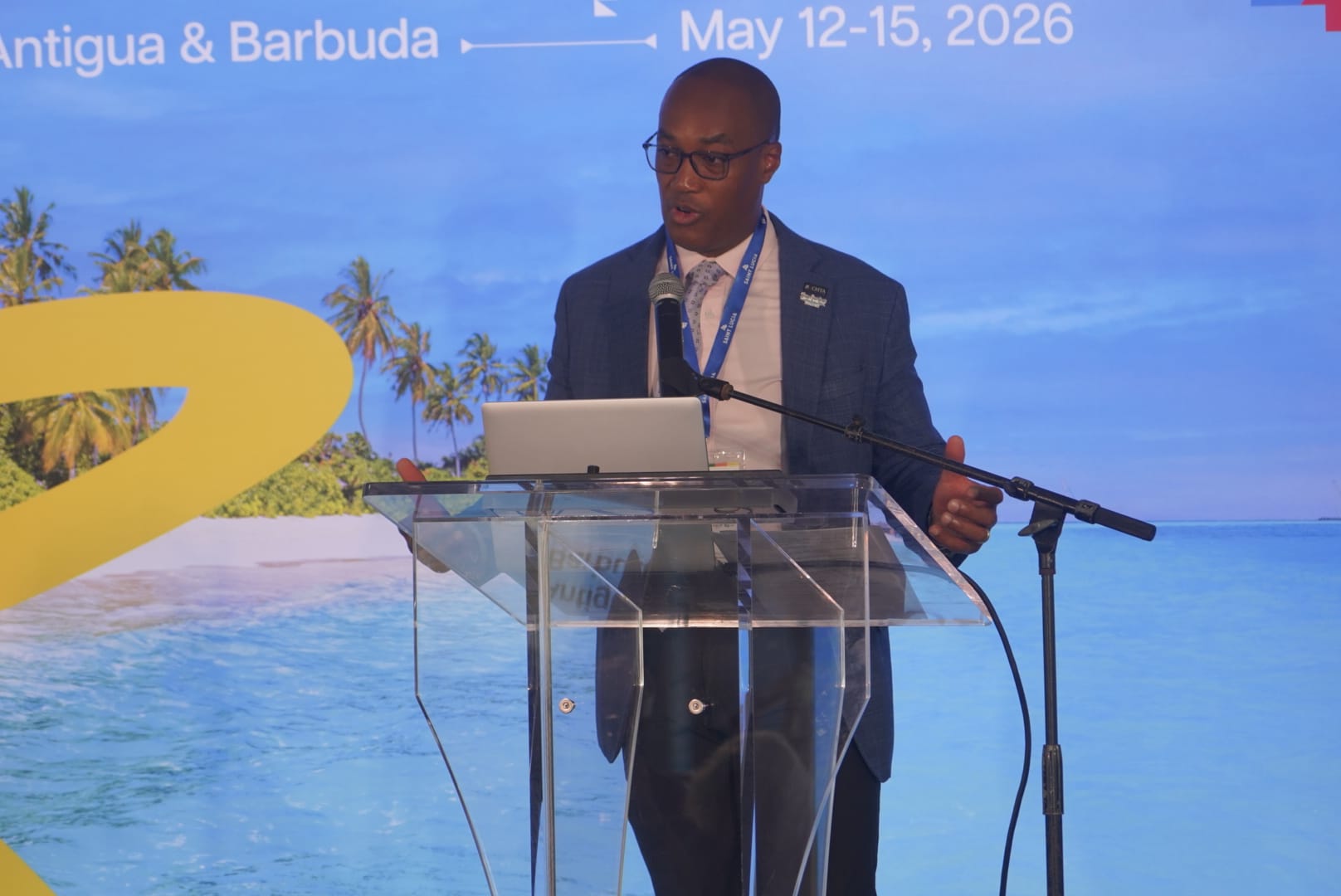
Outgoing President of the Caribbean Hotel and Tourism Association (CHTA), Sanovnik Destang, said the organization was alerted by hotel associations in Barbados and Grenada after they received correspondence from the company.
According to Destang, the policy was set to take effect beginning May 15.
“So, typically, commissions are calculated on your room rate, and in some countries, the service charge and resort fee. So, revenue, real revenue that you collect,” he explained.
“They're changing this now to also include VAT, GST, and other government taxes, which, as you know, is not revenue to the hotel.”
The issue quickly became a major point of discussion on the sidelines of the 44th Caribbean Hotel and Tourism Association Meeting in Antigua and Barbuda, with stakeholders voicing strong opposition to the proposed changes.
Destang said representatives of the CHTA met directly with Booking.com officials during the conference and “seriously advocated against this.”
“They've indicated that it's part of a global push. It's something that exists globally. But our argument is that what exists globally may not necessarily exist in the Caribbean,” he added.
The CHTA maintains that while such practices may be permitted in some international jurisdictions, they are considered illegal in others, including parts of the Caribbean. However, Destang stopped short of identifying specific countries.
“And we're working with Ministers of Tourism and Ministers of Finance to ensure that they also pass legislation in their countries to effectively make it illegal,” he noted.
“Because regardless of legality, from a commercial standpoint, it's not practical. It's not fair to expect hotels to pay commissions of 15 percent, whatever percent — or 18 percent in some cases — on VAT, GST, and other taxes that hotels do not retain in the first place. So we've drawn a line in the sand at CHTA.”
Destang pledged that the association would continue advocating against the move, insisting that such a policy should not be permitted in the Caribbean under any circumstances.
He further argued that the decision was “done very unilaterally with no real notice or consideration or consultation of any sort.”