BASSETERRE, St. Kitts – AS the 2026 Atlantic Hurricane Season gets underway, regional disaster officials are urging Caribbean residents and governments to remain vigilant and prepared, as the region continues to grapple with a range of hazards, including earthquakes, drought and extreme heat.
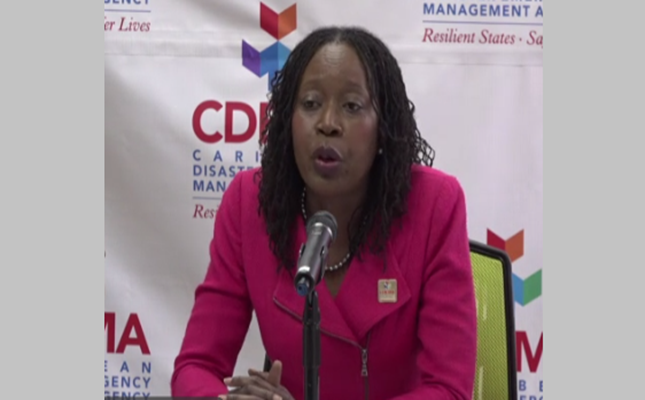
Speaking at a recent press conference, Executive Director of the Caribbean Disaster Emergency Management Agency (CDEMA), Elizabeth Riley, stressed that while the hurricane season officially runs from June 1 to November 30, preparedness must be a year-round priority.
She noted that the Caribbean is entering the season amid ongoing and complex risks. "But we also enter the season with experience, lessons learned, partnerships, and a renewed commitment to readiness."
Riley highlighted the region’s track record of resilience and cooperation in the face of disasters, explaining to reporters that the region has demonstrated remarkable strength and solidarity in responding to the impacts of hazards.
"Our longstanding regional commitment to solidarity is even more important at this time, given geopolitical shifts and the uncertainties associated with it. We have also seen firsthand the importance of preparedness, coordination, and timely action, which have continued to shape our commitment to strengthening regional cooperation, regional self-reliance, and supporting our participating states in reducing disaster risks, improving readiness, and response capacities."
Seasonal Outlook
Riley said CDEMA continues to monitor forecasts and guidance from regional and international climate agencies.
According to the Caribbean Institute for Meteorology and Hydrology (CIMH), which released its latest climate outlook on May 27, the 2026 hurricane season is expected to be less active than recent years. Forecasts indicate approximately 12 named storms, five hurricanes and two major hurricanes.
However, Riley cautioned that fewer storms do not necessarily mean reduced impacts, emphasizing that the CIMH indicates, "that warmer waters around the northern Caribbean could support increased rainfall during storms, and that a delayed and drier-than-usual wet season is anticipated overall."
She explained that these conditions could increase the likelihood of intense rainfall events and elevate flood and flash flood risks across parts of the region.
"We also expect that this can result in intense rainfall events, which could create extremely high flood and flash flood risks across many areas in the Caribbean."
Drought and Heat Concerns
Beyond tropical cyclones, Riley warned that drought conditions currently affecting several CDEMA participating states are expected to persist and could worsen later this year.
"According to CIMH, drought conditions, which are currently being experienced in a number of our participating states, is expected to continue and potentially expand by late 2026. Despite seasonal rainfall, which may ease some of the water shortages."
This is currently evident in the Federation is currently under a drought watch, as the levels of rainfall remains lower that expected for the year thus far.
The region is also expected to experience heightened heat-related risks during the peak months of August and September.
"CIMH is also predicting that intense heat conditions during the month of August and September, with more frequent heat waves, warmer daytime and nighttime temperatures, will result in increased heat stress risks."
Riley noted that excessive heat has become an increasingly significant hazard for Caribbean countries and should be factored into national preparedness efforts.
She added that Caribbean territories must prepare not only for hurricanes but also for the combined effects of heat, drought and water stress.