WASHINGTON, DC – UNITED Nations peacekeepers are assisting authorities in the Democratic Republic of the Congo (DRC) as the country battles a worsening Ebola outbreak that is being complicated by insecurity and humanitarian challenges.
Health officials have been working to contain the spread of the virus, but efforts have been hampered by tensions in affected communities. Many people placed under quarantine have grown frustrated with movement restrictions and the inability to receive the bodies of loved ones due to strict Ebola burial protocols designed to prevent further transmission.
The frustration has sparked clashes in some communities, raising concerns that the violence could undermine efforts to contain the outbreak.
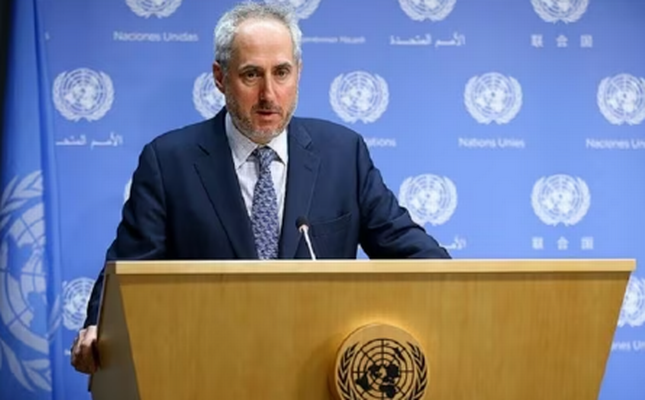
Speaking at a UN press briefing on Monday (Jul. 20), Secretary-General spokesperson Stéphane Dujarric said UN peacekeepers have been supporting the Congolese armed forces in Komanda, located in the eastern province of Ituri.
According to Dujarric, peacekeepers intervened to help prevent an escalation of violence following the assassination of a local armed group leader.
He noted that, as previously announced, the UN peacekeeping mission has established a Mobile Operating Base in Marabo to deter attacks on healthcare facilities and civilians, underscoring its commitment to protecting communities in Ebola-affected areas.
The UN is also expressing growing concern about the spread of Ebola in displacement sites across eastern DRC.
Confirmed Ebola cases have been reported in at least 16 displacement sites in Ituri Province, which together shelter more than 270,000 displaced people. Overcrowded conditions and limited access to essential services have heightened the risk of transmission.
"We and our partners continue to support displaced communities through prevention and awareness activities, including the installation of handwashing stations and community outreach on Ebola prevention measures," Dujarric said.
"However, needs continue to outpace the resources that we have."
He noted that the UN and its humanitarian partners last week launched a revised 2026 humanitarian appeal, increasing funding requirements from US$1.4 billion to US$2.3 billion to meet growing needs, including those created by the Ebola outbreak.
"The plan aims to provide life-saving assistance to 10.7 million people through the end of the year," he added.
Dujarric renewed the UN's call for greater international support to sustain the Ebola response and provide critical assistance to communities already affected by years of conflict, displacement and deteriorating living conditions.
Meanwhile, in neighbouring Burundi, the UN Office for the Coordination of Humanitarian Affairs (OCHA) said humanitarian agencies continue to support government-led efforts to strengthen Ebola preparedness amid concerns the disease could spread across the border.
Surveillance and early detection measures have been intensified at key border crossings and in surrounding communities, with more than 75,000 travellers screened at UN-supported points of entry since June 24.
Infection prevention efforts have also been strengthened through the distribution of personal protective equipment, including masks for frontline personnel stationed at priority border crossings.
The UN and its partners are also training frontline responders, community health workers, medical professionals and border officials while supporting the installation of screening and infection-control equipment, improving water, sanitation and hygiene infrastructure, and establishing temporary isolation facilities.
At the end of June, UN Emergency Relief Coordinator Tom Fletcher allocated US$2 million from the UN Central Emergency Response Fund (CERF) to strengthen Burundi's Ebola preparedness, benefiting more than 215,000 people.
Since the outbreak began, CERF has provided a total of US$24 million to support rapid response efforts and preparedness activities in countries considered at high risk of Ebola transmission.
The funding forms part of Fletcher's broader commitment to make up to US$60 million available through CERF to strengthen the response in the DRC while boosting preparedness measures in neighbouring countries at risk of the virus spreading.