BASSETERRE, St. Kitts — DOMINICA has confirmed that it recently received five Colombian nationals deported from the United States, although all five have since returned to Colombia.
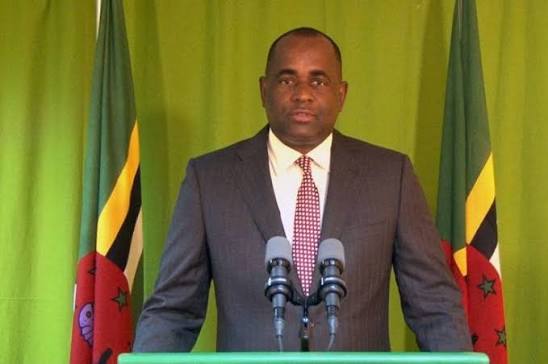
Prime Minister Roosevelt Skerrit made the disclosure on September 9 as questions continue to be raised across the Caribbean about arrangements between regional governments and Washington to accommodate deportees from third countries.
Skerrit said the United States initially provided Dominica with a list of individuals, but the government declined to accept those names after seeking additional information.
“We did not accept those names, and they subsequently sent us a second list of people to choose from,” he told reporters.
Dominica then selected five individuals from the second list, all of whom were Colombian nationals.
“So there were five Colombians who came in, and in quick time they left Dominica, and they went to Colombia,” Skerrit said.
“It was very fast, and so at present we have no third-country nationals in Dominica,” he added.
The prime minister said the International Organization for Migration (IOM) was engaged to manage the arrangement on Dominica’s behalf. He said the U.S. government provided funding to cover the costs associated with accommodating the deportees.
The five individuals were housed at a hotel, where they were provided with food and other care during their stay.
Skerrit indicated that the recent transfer was not a one-time arrangement. Under the agreement, Dominica expects to receive between five and eight third-country nationals each quarter.
He said the government had taken a cautious approach to the arrangement, particularly regarding the information provided about individuals being considered for transfer.
According to Skerrit, the five Colombians had no criminal records. He said they appeared to be people who had gone to the United States in search of better economic opportunities but ultimately found themselves facing removal.
“I guess we're just people trying to make a better living in the United States, and they found themselves in difficulties and had to be sent out, but none of them had any criminal records,” he said.
The arrangement comes as the administration of U.S. President Donald Trump has increased efforts to enforce U.S. immigration laws and remove people who are in the country without legal status.
Washington has also pursued agreements with third countries to facilitate the temporary accommodation or onward movement of some deportees who are not citizens of the countries receiving them.
Several Caribbean governments have entered into arrangements with the United States involving limited numbers of deportees, generally subject to conditions concerning their backgrounds and the absence of serious criminal histories.
The agreements have generated public discussion and concern in parts of the region, including St. Kitts and Nevis, about the implications of accepting third-country nationals and the extent of governments' commitments to Washington.
In Dominica's case, however, Skerrit said there are currently no third-country deportees remaining on the island, with all five Colombians having returned to their home country.