WASHINGTON, DC – THE United States has stepped up its economic pressure on Iran, with the U.S. Treasury Department announcing a new round of sanctions targeting 17 vessels accused of helping Tehran move oil and petroleum products through an international “shadow fleet.”
The latest measures, announced today (Oct. 8), come as Washington and Tehran remain at odds over efforts to end the ongoing conflict and resolve the standoff surrounding the strategically important Strait of Hormuz.
The U.S. Treasury said the sanctions are part of Operation Economic Outcast, an expanded campaign aimed at cutting off sources of revenue that Washington says Iran uses to support its military activities and other operations.
According to the Treasury Department, the latest action targets what remains of Iran's shadow fleet – an aging network of tankers allegedly used to transport billions of dollars' worth of petroleum and petroleum products to international markets.
Treasury said the action “effectively neutralizes the vast majority of Iran’s remaining shadow fleet network.”
The 17 vessels, according to the department, have transported millions of barrels of Iranian crude oil, petroleum products and petrochemicals to markets in South and East Asia.
The vessels and the companies associated with them are spread across a number of jurisdictions, with Treasury accusing operators of using a complicated network of international companies and shipping arrangements to conceal the origin of Iranian petroleum and circumvent U.S. sanctions.
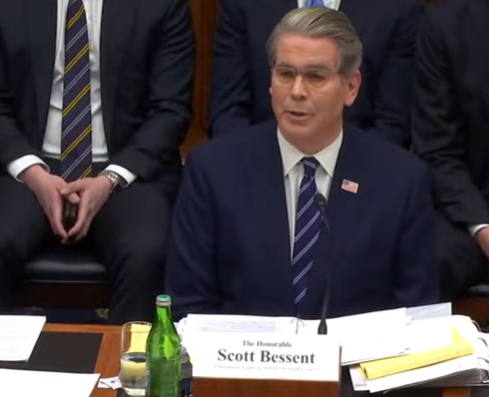
“Treasury is starving the tyrannical regime in Tehran of the money it uses to wage war in the region, and we will continue exposing those who enable the regime’s oil sales. No enabler of Iranian sanctions evasion is safe from the full force of Treasury’s authorities,” U.S. Treasury Secretary Scott Bessent said.
The latest measures are being imposed under Executive Order 13902, which gives the United States authority to target Iran's petroleum sector and other key areas of its economy.
The action comes as Washington continues its broader campaign to restrict Iran's access to international financial and energy markets.
The United States has for years used sanctions to target Iranian banks, oil companies, shipping operators and other businesses accused of facilitating transactions with Tehran. More recently, the administration expanded those measures to include networks and intermediaries that Washington says help Iran move oil and receive payment despite the sanctions.
Treasury has also warned foreign companies, financial institutions, and Iran's allies that they could face U.S. penalties if they knowingly facilitate transactions involving sanctioned Iranian entities.
The latest action comes against the backdrop of the continuing confrontation over the Strait of Hormuz, one of the world's most important energy shipping routes.
The waterway, which lies between Iran and Oman, is a critical passage for global energy supplies, with roughly a fifth of the world's oil and liquefied natural gas trade normally moving through or around the strait.
The conflict has significantly disrupted shipping through the waterway, with the number of vessels using the strait falling sharply in recent days. Reuters reported Thursday that only seven commodity vessels crossed the strait on Tuesday, the lowest number in more than two months, while crude oil movements had fallen to about 10.1 million barrels per day – approximately 74 percent of pre-war levels.
The disruption has also contributed to renewed pressure on international energy markets. Oil prices moved above US$100 a barrel on Thursday as attacks on shipping increased and concerns grew about the reliability of supplies moving through the Gulf.
Washington has maintained that the pressure on Iran is intended, in part, to force Tehran to reopen the waterway and reduce restrictions on international shipping.
Treasury said the latest sanctions are being introduced as Iranian oil shipments outside the U.S. blockade line continue to dwindle.
“With the success of the U.S. military’s blockade, dwindling Iranian oil shipments outside the blockage line, and intensifying economic pressure across sectors from Operation Economic Outcast, the regime is running out of options to stabilize Iran’s failing economy,” the department said.
The Treasury's Office of Foreign Assets Control, or OFAC, said the vessels targeted Thursday were continuing to transport Iranian petroleum and petrochemicals despite existing U.S. sanctions.
The department said the vessels are registered in more than a dozen jurisdictions and are operated through international front companies, which it described as evidence of the scale of the network being used to circumvent sanctions.
“By dismantling these maritime nodes and the companies behind them, Treasury is severing core channels the Iranian regime has long relied on to circumvent U.S. sanctions, sustain its petrochemical sector, and funnel resources to destabilizing actors,” OFAC said.
The department also warned that Iran's alleged sanctions-evasion network remains fluid, with vessels and companies entering and leaving the network as operators seek new ways to move petroleum and avoid detection.
Treasury said it would continue to identify and disrupt those networks.
The new measures follow several other actions taken by Washington this year as the Trump administration has increased economic and military pressure on Tehran.
The campaign has extended beyond individual oil shipments to financial institutions, companies, shipping networks and other intermediaries that Washington says provide Iran with access to international markets.
The latest sanctions therefore represent another attempt by Washington to reduce the amount of money Tehran can generate from its oil exports at a time when the Iranian economy is already under significant pressure.
At the same time, the impact of the sanctions is being felt beyond Iran because of the importance of the Gulf to the global energy market.
While oil shipments through alternative routes and U.S.-protected shipping have helped maintain some supplies, the renewed attacks on tankers have again reduced traffic through the Strait of Hormuz. Reuters reported Thursday that crude movements through the strait had dropped from wartime highs, while attacks on commercial shipping had reached their highest weekly level since the conflict began.
The latest sanctions also come as diplomatic efforts remain uncertain.
U.S. President Donald Trump said Thursday that the United States would not resume military strikes against Iran before the November 3 midterm elections, while indicating that discussions with Iranian officials were continuing through U.S. Middle East envoy Steve Witkoff.
However, the situation remains fluid, with the two sides still divided over the terms for a broader settlement and the future of the Strait of Hormuz. For Washington, cutting Iran's oil revenues remains a central part of the strategy.
For Tehran, the continuing confrontation over the waterway and the country's ability to sell its oil remain critical economic and strategic issues.
Thursday's sanctions underscore that, despite the diplomatic contacts, the United States is continuing to use its economic tools to put pressure on Iran and restrict one of its most important sources of revenue.
The Treasury Department's latest action also adds another layer to an already complex confrontation involving military operations, international shipping, energy markets and efforts to find a diplomatic way out of the confl