WASHINGTON, DC – WITH no clear end in sight to the ongoing conflict involving Iran, the United States is intensifying efforts to weaken the Iranian regime's financial networks, targeting businesses it accuses of helping Tehran circumvent international sanctions and move money across borders.
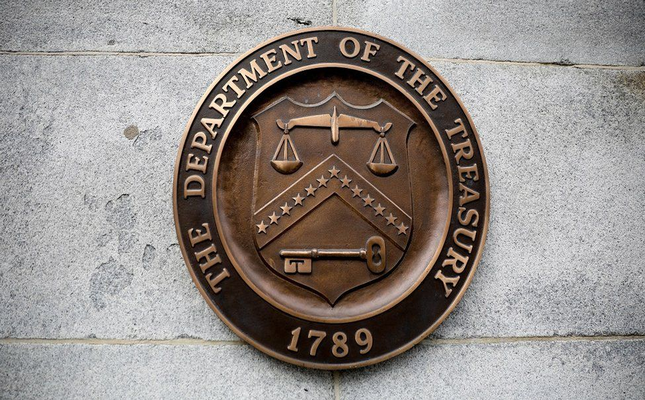
On Friday (Nov. 6), the US Department of the Treasury announced sanctions against eight Canadian-based money services businesses accused of facilitating financial transactions for the Iranian government, the Islamic Revolutionary Guard Corps (IRGC) and other sanctioned entities.
The Treasury Department said the companies were involved in exchanging Iranian rials and other currencies for digital assets, allowing the regime and other sanctioned actors to transfer money into and out of Iran while attempting to bypass restrictions imposed by Washington.
The latest action forms part of a wider US strategy to restrict Tehran's access to the international financial system, particularly through alternative financial channels that have become increasingly important as traditional banking institutions face tighter restrictions on doing business with Iran.
Since the outbreak of the conflict in February, Washington has maintained pressure on Tehran through economic and diplomatic measures, with sanctions serving as one of its principal instruments.
Iran's economy has been under considerable pressure from years of international sanctions, with restrictions affecting its oil exports, banking relationships, access to foreign currency and ability to conduct international trade.
The latest US action also highlights growing concerns among American authorities about the use of cryptocurrencies and other digital assets to facilitate transactions that might otherwise be blocked through conventional financial channels.
The Treasury Department identified the eight businesses as Diverse Trade Inc, doing business as Million Exchange; 1380079 BC Limited, operating as Amin Exchange; Top PC Technician Inc; NIA Nations Currency Ltd; 2397639 Ontario Ltd, doing business as Farah Exchange; CCC Inc; B Galaxy Inc, operating as Cryptoyal; and Darvish Exchange.
In its announcement, the department said the companies provided financial services that allowed Iranian entities to convert local currency into digital assets and conduct transactions internationally.
“Today, as part of Operation Economic Outcast, the Department of the Treasury’s Office of Foreign Assets Control (OFAC) designated eight money services businesses based in Canada that enable the Iranian regime, sanctioned entities associated with the regime, and other illicit actors to move assets into and out of Iran,” the department stated.
According to the Treasury Department, several of the businesses facilitated transactions with Iranian digital asset exchanges that had previously been sanctioned by the United States. These included Nobitex, Wallex, Bitpin, Ramzinex, Aban Tether Exchange and Shelbit.
The department also alleged that digital asset addresses associated with some of the businesses had conducted transactions involving addresses linked to the IRGC and other terrorism-related activities.
Digital assets, including cryptocurrencies, have become an increasingly important part of international financial transactions, allowing individuals and businesses to transfer value across borders without relying exclusively on traditional banking institutions.
While these technologies have legitimate commercial uses, their ability to facilitate rapid cross-border transactions has also attracted greater scrutiny from financial regulators and law enforcement agencies concerned about money laundering, terrorist financing and sanctions evasion.
For countries facing extensive international financial restrictions, digital assets can provide alternative channels for moving funds and accessing international markets.
Washington has repeatedly warned that individuals and businesses facilitating such transactions on behalf of sanctioned Iranian entities could face penalties, even when those businesses operate outside the United States.
The Treasury Department's latest announcement outlined several alleged links between the designated companies and financial networks associated with the IRGC.
It said some of the businesses transferred substantial amounts of digital assets to addresses connected to the organisation and other illicit activities. Others allegedly maintained relationships with Iranian cryptocurrency exchanges that were already subject to US sanctions.
The department further alleged that some of the businesses changed their names and business addresses in attempts to avoid detection and enforcement action, despite public reporting highlighting concerns about their activities.
The sanctions also exposed alleged connections between some of the companies and international drug trafficking networks.
According to the Treasury Department, several of the designated businesses had provided money-laundering services to Canadian drug trafficker Ryan Wedding, a former Olympic snowboarder who was apprehended in January 2026.
US authorities alleged that Wedding used money services businesses in the Vancouver and Toronto areas to move proceeds from drug trafficking. The funds were reportedly converted from cash into digital assets before being transferred abroad.
The department said the same financial service providers were therefore connected to networks involved in both sanctions evasion and international criminal activity.
The latest designations fall under Operation Economic Outcast, a US Treasury initiative launched in August 2026 to disrupt the financial networks supporting the Iranian government and the IRGC.
The operation is intended to target economic channels that Washington believes allow Tehran to generate revenue, move money internationally and finance activities that threaten US interests and those of its allies.
The campaign has focused particularly on Iran's digital asset ecosystem, with the Treasury Department previously targeting several cryptocurrency exchanges accused of moving funds on behalf of the Iranian regime.
The June 2 sanctions against Nobitex, Wallex, Bitpin and Ramzinex, followed by further action against Aban Tether Exchange and Shelbit on August 7, formed part of that broader effort.
Friday's announcement extends the campaign beyond Iran's borders, demonstrating Washington's willingness to target foreign businesses it believes are providing financial services to sanctioned Iranian interests.
The designations were imposed under Executive Order 13902, which authorises sanctions against persons and entities operating in key sectors of the Iranian economy.
Under the restrictions, property and financial interests belonging to the designated entities that are within the United States or under the possession or control of US persons must be blocked and reported to the Office of Foreign Assets Control (OFAC).
The measures also generally prohibit US persons and financial institutions from conducting transactions involving the designated businesses unless specifically authorised or exempted.
The Treasury Department warned that foreign individuals and businesses could also face consequences for knowingly facilitating transactions designed to evade US sanctions.
The latest sanctions come as the conflict involving Iran continues to create uncertainty across international markets, particularly in the energy sector.
Iran's strategic position in the Middle East, including its proximity to the Strait of Hormuz, remains a major concern for international energy security. The waterway is one of the world's most important oil transit routes, making any disruption to shipping and energy supplies a potential source of volatility in global markets.
Rising energy costs can have consequences well beyond the countries directly involved in the conflict, particularly for economies that depend heavily on imported fuel, food and other essential commodities.
Small Island Developing States (SIDS), including countries across the Caribbean, are particularly vulnerable to these external shocks because of their dependence on imported energy and their limited capacity to absorb prolonged increases in international commodity prices.
Higher fuel costs can translate into increased transportation, electricity and production expenses, placing additional pressure on households, businesses and governments already dealing with elevated living costs.
While Friday's Treasury action is primarily directed at disrupting Iran's financial networks, the wider conflict and the economic measures surrounding it continue to have implications for the international community.
For the United States, the latest designations represent another attempt to restrict Tehran's financial options and prevent the use of international money services and digital assets to circumvent sanctions.
The Treasury Department has made clear that it intends to pursue those networks wherever they operate, while continuing to work with international partners to limit the movement of funds associated with the Iranian regime and other sanctioned actors.