WASHINGTON, DC – THE year 2026 is on track to become one of the four warmest years ever recorded, with scientists warning that a strengthening El Niño could bring more extreme heat, drought and heavy rainfall across the globe well into 2027.
The warning comes from the World Meteorological Organization (WMO), which released its State of the Climate Update 2026 on November 9, outlining the continued acceleration of global warming and the growing threat posed by extreme weather events.
According to the WMO, the period from 2015 to 2026 is expected to represent the 12 warmest years on record, reflecting the sustained rise in global temperatures driven largely by human-induced climate change.
The global average surface temperature between January and September 2026 was approximately 1.47 degrees Celsius above the pre-industrial average recorded between 1850 and 1900.
The organisation also reported that El Niño has intensified since August and is expected to reach exceptional strength by December, potentially amplifying the effects of an already warming planet.
El Niño is a naturally occurring climate phenomenon involving the periodic warming of sea surface temperatures in the central and eastern equatorial Pacific Ocean. It influences weather patterns worldwide and can increase the likelihood of extreme heat, droughts and unusually heavy rainfall in different regions.
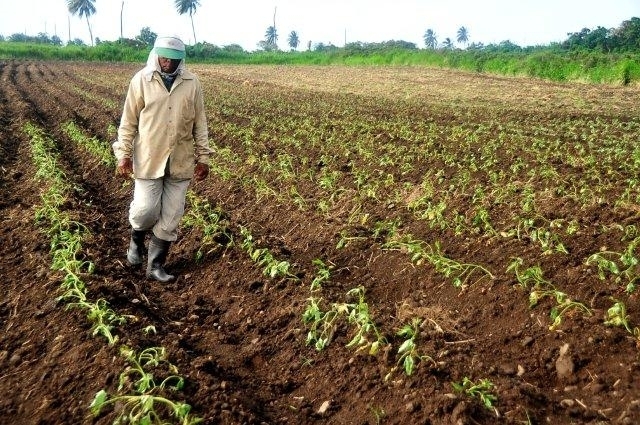
The WMO warned that the current event could intensify these conditions well into 2027, with consequences for agriculture, food security and vulnerable communities.
The report further noted that global mean sea level has reached its highest point since satellite records began in 1993. Preliminary data through July also point to a tenth consecutive year of record ocean heat content, highlighting the continued accumulation of heat within the world's oceans.
Released on the opening day of the United Nations Climate Change Conference (COP31) in Antalya, Türkiye, the update provides an authoritative assessment of the state of the global climate, using available data through September 2026. However, the organisation cautioned that the report does not capture the most recent developments and potential impacts associated with the strengthening El Niño.
During a press briefing at UN Headquarters in New York, Deputy Spokesperson for the Secretary-General Farhan Haq said António Guterres believes the world has entered a new era of climate extremes, with a powerful El Niño developing against the backdrop of human-induced global warming.
Haq said the Secretary-General is urging world leaders to accelerate emissions reductions, advance a just transition away from fossil fuels and provide vulnerable countries with the financial resources and protection needed to withstand climate-related threats.
“As COP31 begins in Antalya, our colleagues at the World Food Programme warn that humanitarian assistance alone cannot keep pace with crises caused by increasingly frequent weather extremes and a strengthened El Niño,” Haq told reporters.
He also highlighted projections from the World Food Programme (WFP) that the current El Niño could push at least 49 million additional people into acute food insecurity by the end of 2027.
With the phenomenon expected to peak between now and December, its effects on agricultural production and food prices could continue into early 2028.
The WFP has stressed that because El Niño can be forecast, governments and humanitarian agencies have an opportunity to intervene before crops fail and food shortages worsen.
Between January and September, the agency reached 4.9 million people with early warnings and provided assistance to more than 1.5 million people ahead of forecast floods, storms and droughts.
However, the organisation noted that pre-arranged financing accounts for less than two per cent of global humanitarian funding. It is therefore calling on governments attending COP31 to increase such financing and make it more accessible to fragile and conflict-affected countries.
The warnings come as St. Kitts and Nevis continues to experience the effects of changing weather patterns, with rising temperatures and declining rainfall placing additional pressure on critical sectors.
Prime Minister Dr Terrance Drew recently acknowledged that increasing temperatures are affecting the education system, with the government having to consider additional cooling measures in schools to improve conditions for students and teachers.
“The classrooms are hotter these days…and as a result of that, we are looking at how we can cool the classrooms,” Drew said.
Beyond the education sector, the Federation has also been grappling with declining water levels, with reservoirs and other water sources coming under pressure following several months of below-average rainfall.
The situation highlights the vulnerability of small island developing states (SIDS), which often have limited resources to respond to prolonged droughts, extreme temperatures, rising sea levels and other climate-related threats.
Across the Caribbean, regional governments have continued to press the international community for climate justice, arguing that small states that contribute relatively little to global greenhouse gas emissions are among those bearing some of the heaviest consequences of climate change.
Their calls have centred on greater access to climate financing, stronger adaptation measures and increased support to protect critical infrastructure, water supplies, agriculture and vulnerable communities.
With the WMO warning that the effects of El Niño could extend well into next year, the latest assessment adds urgency to calls for stronger international action, particularly for countries such as St. Kitts and Nevis, where climate-related pressures are already being felt.